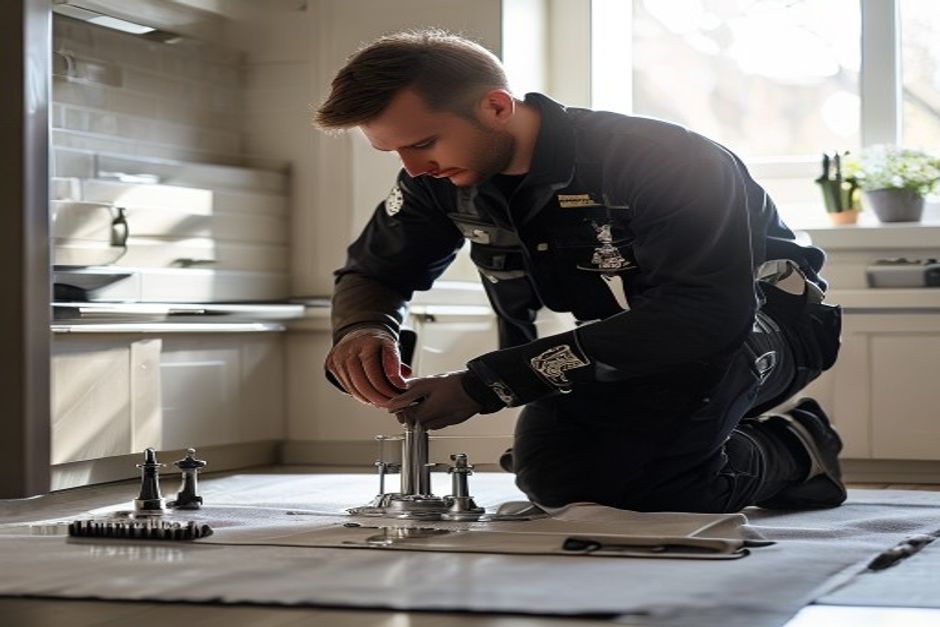
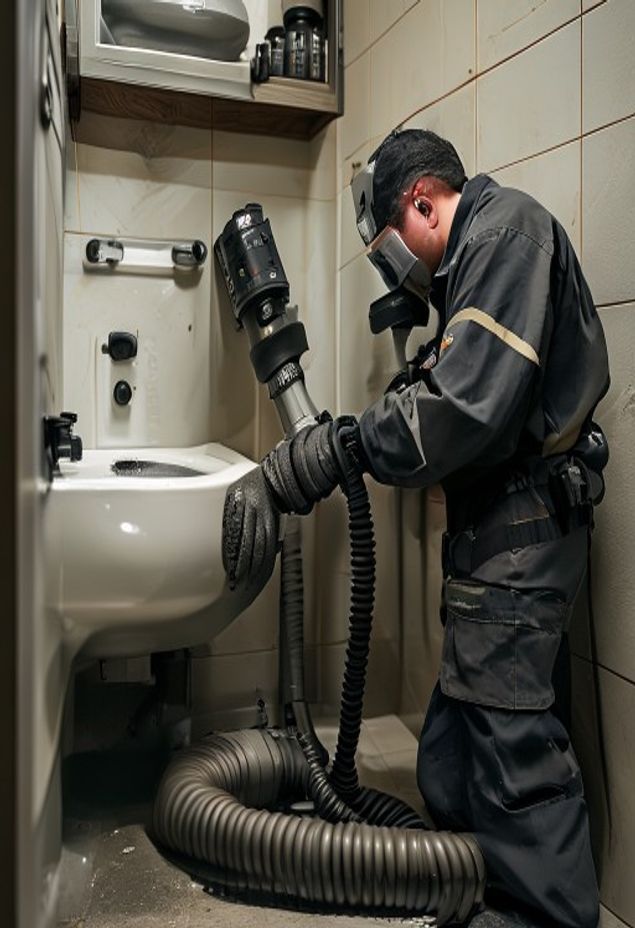
A properly installed and maintained water heater is central to daily comfort in your home. When it’s working well, you hardly think about it. When it fails, it becomes an urgent priority. This page covers what you should expect from a professional installation or replacement service, the long-term benefits of doing it right, and how to identify a quality provider.

What a Professional Installation Involves
A professional installation is more than swapping an old unit for a new one. It’s a systematic process that ensures safety, efficiency, and longevity.
Initial Assessment and Sizing The first step is a consultation to evaluate your needs. A technician will check your current system, discuss your household’s hot water usage, and recommend the correct unit size and type (tank, tankless, heat pump, etc.). Installing an incorrectly sized heater leads to higher energy bills and premature wear.
Safe Removal and Disposal Your old water heater will be safely disconnected, with water and gas or electrical lines properly shut off. Responsible contractors will handle the removal and recycling of the old unit according to local regulations, so you don’t have to.
Precise Installation and Code Compliance The new unit will be installed level, with new temperature and pressure relief valves, proper venting for gas models, and up-to-code electrical connections. All work should meet or exceed local plumbing and building codes, which is non-negotiable for safety and insurance purposes.
System Check and Customer Walkthrough After installation, the system is purged of air, checked for leaks, and tested to ensure it operates correctly. A good technician will explain the new system’s operation, maintenance schedule, and your warranty details before they leave.

Signs You Need a Replacement, Not a Repair
Deciding between repair and replacement depends on age, condition, and cost. Consider replacement if you notice:
-
Age: Most tank-style water heaters last 8-12 years. If yours is within or beyond this range, frequent repairs are a sign of decline.
-
Rusty Water: Discolored hot water from your taps often indicates tank corrosion, which can lead to leaks.
-
Inconsistent Temperature: Fluctuations between scalding and lukewarm water suggest a failing heating element or sediment buildup that may not be cost-effective to fix.
-
Visible Moisture or Leaks: Any pooling water or corrosion around the tank itself usually means the tank is compromised.
-
Rising Energy Bills: An aging heater loses efficiency. A gradual, unexplained increase in your gas or electric bill can point to a struggling unit.
A straightforward rule: if the repair cost is approaching half the price of a new installation, replacement is typically the wiser long-term investment.

Comparing Water Heater Types: Durability and Performance
Choosing the right type affects your utility costs and how long the unit will serve you.
| Type | Average Lifespan | Key Considerations |
|---|---|---|
| Conventional Tank | 8-12 years | Lower upfront cost. Constant heating can lead to standby heat loss. Prone to sediment buildup. |
| Tankless (On-Demand) | 15-20 years | Higher initial investment. Provides unlimited hot water. More complex installation often requires upgraded gas lines or electrical service. |
| Heat Pump (Hybrid) | 10-15 years | Highest energy efficiency. Works best in warm, spacious areas (it needs ambient heat to operate). Higher purchase price. |
For most homes, the choice balances budget, available space, and desired energy savings. Tankless units offer the best long-term durability but require a significant upfront commitment.

Why Professional Installation Matters for Long-Term Value
Skipping professional installation to save money often leads to greater expenses down the line.
-
Safety Guarantees: Improper gas venting or electrical connections pose serious risks of carbon monoxide poisoning or fire. Professionals ensure these critical elements are handled correctly.
-
Warranty Protection: Most manufacturer warranties are voided if the unit is not installed by a licensed professional according to code. Protect your investment.
-
Efficiency and Performance: A correctly installed heater operates at its advertised efficiency. Poor installation can reduce efficiency by 20% or more, costing you monthly.
-
Future Reliability: Proper support, pressure management, and water quality treatment during installation prevent early failures and noisy operation.
Selecting a Plumbing Service for Your Installation
Your choice of plumber determines the quality of the installation. Look for these indicators:
- Proper Licensing and Insurance: Always verify state and local licenses. Confirm the company carries general liability and worker’s compensation insurance.
- Transparent, Detailed Quotes: Avoid vague estimates. A written quote should list the unit’s make/model, labor costs, materials (pipes, valves, etc.), and any potential additional fees.
- Experience with Your Heater Type: Ask how many installations of your chosen type (e.g., tankless) they complete per year. Specific experience is important.
- Reviews on Long-Term Performance: Search for customer feedback that mentions how the installation held up after one, two, or five years. This speaks volumes about workmanship.
- Clear Communication: The company should readily explain the process, answer questions about codes, and discuss maintenance needs without pressure.
Expected Investment
Costs vary widely based on your location, the chosen unit, and the complexity of the installation (like relocating the heater or upgrading gas lines). As a general range:
-
Standard Tank Heater Replacement: $1,000 - $2,500
-
Tankless Heater Installation: $2,500 - $5,500+
Always get at least three detailed, written estimates from established local plumbers to understand the market rate in your area.
A new water heater is a major household investment. A professional installation maximizes that investment by ensuring safety, securing your warranty, and providing reliable hot water for years to come. Taking the time to choose the right unit and a qualified installer is the most effective way to prevent future problems and unexpected costs.
States We Cover
Frequently Asked Questions
Need Nationwide Plumbing?
We connect you with trusted local providers in your state. Call or email us today.